
In Iowa, as winter settles in, the temperatures drop, snow blankets the ground, and the landscape transforms. Have you ever wondered where do all the pollinators go? Every organism, including bees, monarchs, and hummingbirds, has its own strategy for surviving the cold, even if we can’t see it.
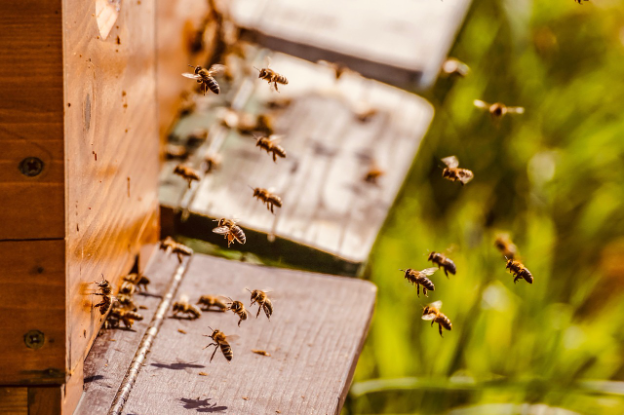
As temperatures decrease, honey bees retreat to their hives. There, they cluster tightly around the queen and begin vibrating their bodies, a behavior similar to human shivering. This movement generates enough heat to keep the colony warm throughout the winter. However, staying warm requires a lot of energy, so the bees rely on their stored honey to fuel this effort.
Bumble bees have their own winter survival story. When the cold sets in, most colonies do not make it, but the future queens do. These resilient queens burrow underground, where it is safe from the harsh weather. To survive months without food, they pack on fat reserves during the fall, a necessity given their larger size. Then, when spring finally arrives, queens emerge from their hidden shelters and begin building a brand-new colony. Nature’s cycle starts all over again.
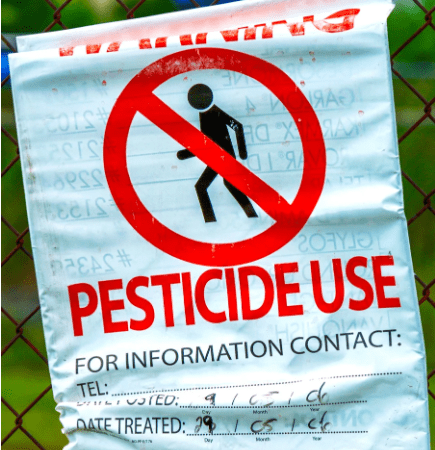
Since these queen bees are spending their winters underground, any chemical that has seeped into the soil over the summer could be impacting them now. Once pesticides are sprayed in an area, they do not just stay above ground. When they settle into the soil, pesticides can reduce the queens’ overall fitness, leading to lower survival during hibernation and a decreased ability to start a new colony in the spring, therefore furthering their population decline.
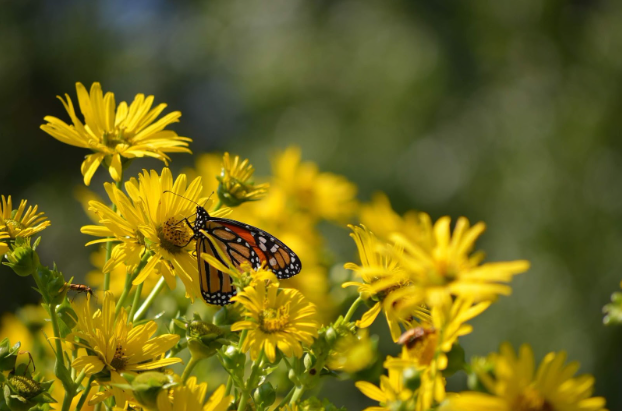
Unlike bees, monarch butterflies don’t stay through the winter; they take an incredible journey south. These little travelers migrate over 3,000 miles to the forests of central Mexico to escape the cold. It’s the 4th generation that makes this trip, often referred to as the “super generation”, as they can live up to eight times longer than their ancestors. Monarchs can cover up to 100 miles in a single day, often gliding on air currents at high altitudes to conserve energy. When spring arrives, females begin the journey north, laying eggs on milkweed before their life cycle ends. Monarchs continue their migration across generations, returning to northern breeding grounds that stretch into Canada.
Pesticides can make this process very difficult for the monarch population. Direct contact with insecticides, such as pyrethroids and organophosphates, can be deadly, and even low-level exposure over time can have detrimental effects, including shortening lifespans, weakening flight, and reducing reproductive capacity. When large groups of monarchs are accidentally sprayed, it can lead to mass die-offs. Still, the danger doesn’t stop there. Herbicides wipe out milkweed, the only plant on which monarch caterpillars can feed. Chemicals seep into nectar and pollen, while pesticide drift contaminates sites, making even “protected” habitats unsafe.
Hummingbirds also migrate to southern Mexico and Central America, some traveling up to 4,000 miles. Unlike other birds, hummingbirds migrate alone; that way, they can take full advantage of resources on their way. The Ruby-throated Hummingbird makes an incredible nonstop flight across the Gulf of Mexico, about 500 miles in one stretch. This journey can take anywhere from 18 to 24 hours without a single break. In order to prepare for migration, hummingbirds eat heavily, adding 25 to 40% to their body weight as fat reserves. To power their high-energy flights, hummingbirds push their bodies to the limit; their hearts can beat up to 1,260 times per minute, and their wings flap anywhere from 15 to 80 times a second.
Just like with the other pollinators, pesticides make this journey for the hummingbird more difficult. Direct exposure to these chemicals can decrease a hummingbird’s metabolism, which affects their ability to power through the migration. It can also cause significant weight loss by reducing feeding, energy intake, and decreasing the insect populations that hummingbirds eat. Pesticides can contaminate the water and nectar they need by these birds.
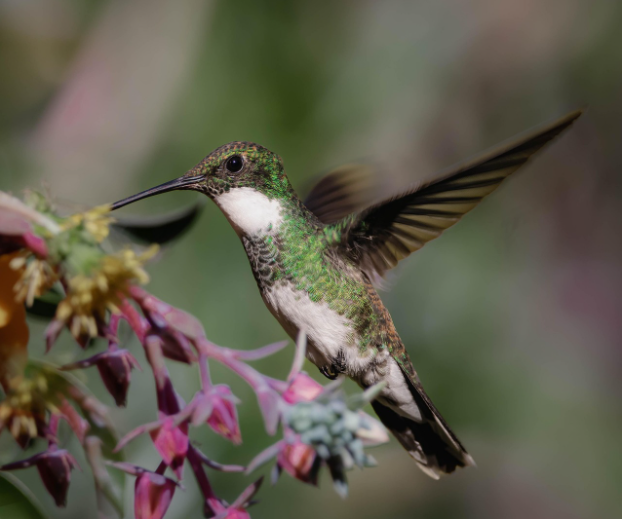
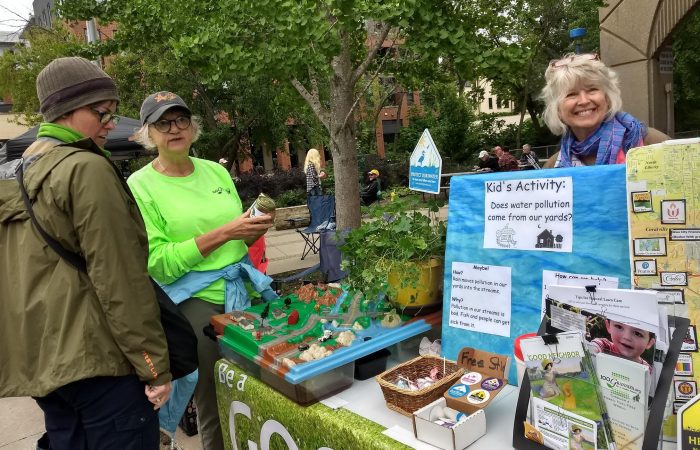
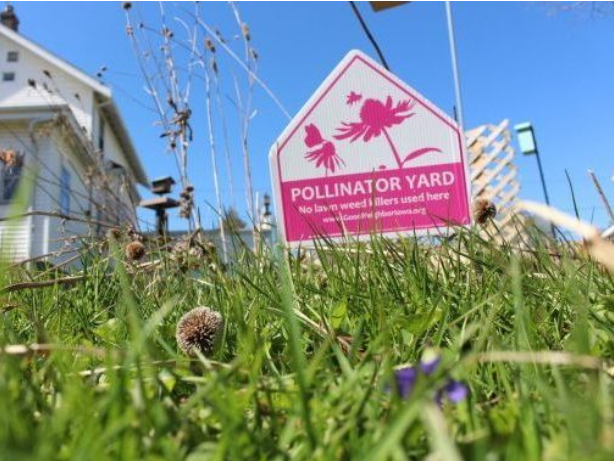
Each incredible pollinator has its own unique way of surviving the winter, from burrowing to migrating. However, humans can have a large impact on their survival. Not everything can be controlled that impacts the environment, but one thing that can be controlled is whether or not harmful pesticides are used at home. Start making urban lawns a place pollinators love. To help protect our pollinators, you can pledge to no longer use pesticides and be a Good Neighbor.
By Jordan Holloway, December 1, 2025. Jordan is a student at the University of Northern Iowa, majoring in Environmental Science with minors in Chemistry and Sustainability. Jordan assists Good Neighbor Iowa with community outreach and education.