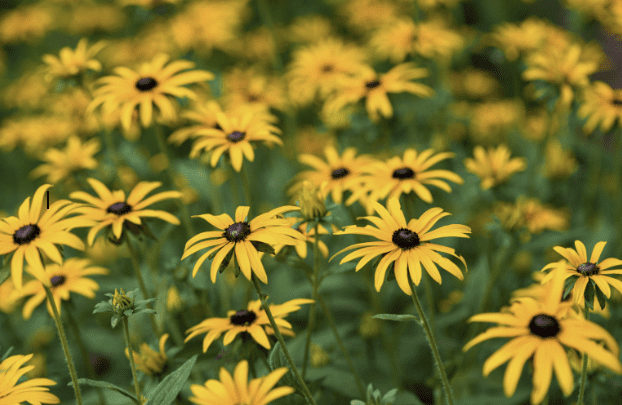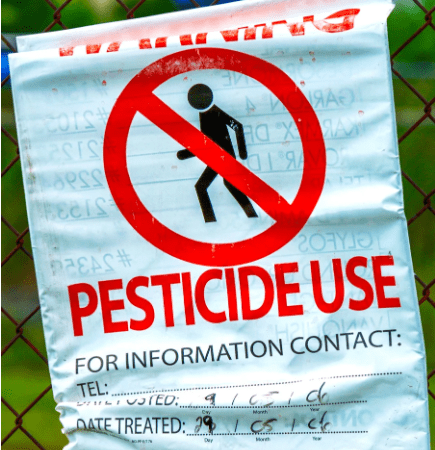

At Good Neighbor Iowa, one of our core goals in reducing urban pesticide use is to protect pollinators, the small but essential species that keep our ecosystems thriving. Among them, bees stand out as keystone pollinators, playing a critical role in supporting plant life, food systems, and biodiversity.
Yet, in urban environments, bee populations face growing challenges. Pesticides, both insecticides and herbicides, are designed to eliminate unwanted pests and plants, but in doing so, they often reduce the biodiversity that pollinators depend on to survive. This loss of diverse plant life limits access to the nectar and pollen bees need to stay healthy.
Creating safer urban spaces for pollinators starts with rethinking how we manage our landscapes. By moving away from pesticide use and embracing more natural lawn care, we can allow native plants and flowering species to flourish. These spaces provide essential habitat and food sources for urban bees and other pollinators.
In honor of National Pollinator Month this June, we’re shining a spotlight on these vital creatures, and the simple changes we can make to help them thrive right where we live.
Bees
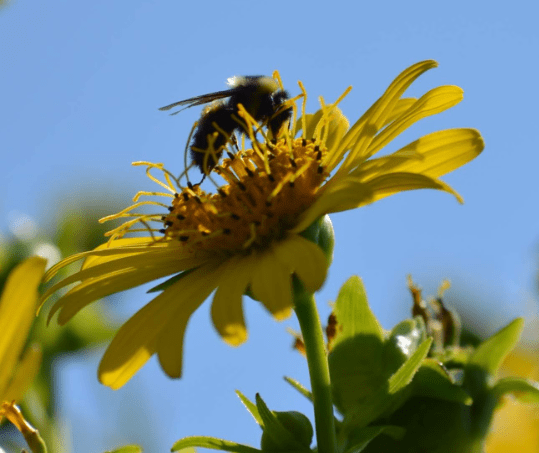
Bees are among the most important pollinators, responsible for helping produce about one-third of the food we eat. In the United States alone, there are over 4,000 native bee species, many of which are solitary rather than hive-dwelling. Some, like bumble bees, even use a special technique called “buzz pollination,” vibrating flowers to release pollen.
You can help bees thrive by skipping pesticides and herbicides, planting a wide range of native flowers that bloom from spring through fall, and leaving some stems or patches of bare soil for nesting. Adding a shallow water source, like a dish filled with pebbles and water, can also make your yard more bee-friendly.
Butterflies
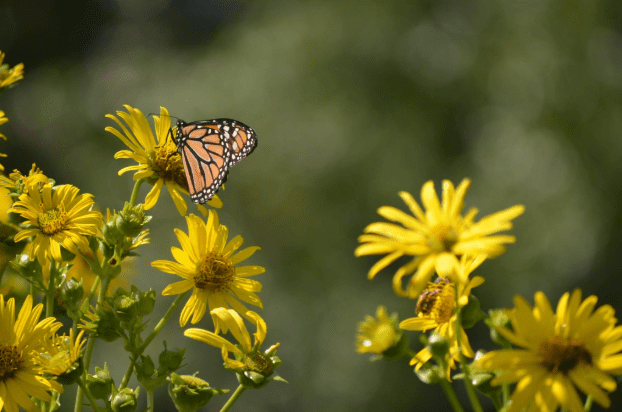
Butterflies are not only beautiful but also vital pollinators. They have fascinating behaviors, like tasting with their feet, and some species, such as monarchs, migrate thousands of miles each year. Butterflies depend on specific host plants to lay their eggs, with monarchs relying entirely on milkweed.
To support butterflies, plant both nectar-rich flowers for adults and host plants for caterpillars, create sunny and sheltered garden spaces, and avoid pesticide use, especially during times when caterpillars are active. Leaving some leaf litter in your yard can also provide important overwintering habitat.
Hummingbirds
Hummingbirds are remarkable pollinators known for their rapid wingbeats, up to 50 times per second, and their ability to hover or even fly backward. Their long, slender bills are perfectly adapted for feeding on tubular flowers.
You can attract and support hummingbirds by planting brightly colored flowers like bee balm and columbine, offering feeders filled with a simple sugar-water solution (without red dye), and keeping feeders clean to prevent disease. Providing trees or shrubs nearby gives them places to rest and perch.
Moths
Often overlooked, moths play an essential role as nighttime pollinators. Many plants rely on moths and have evolved pale-colored or strongly scented flowers that bloom in the evening to attract them. Moths are also an important food source for birds and other wildlife.
To help moths, consider planting night-blooming or fragrant flowers, reducing outdoor lighting at night to avoid disrupting their natural behavior, and allowing parts of your yard to remain a little wild. Avoiding broad-spectrum pesticides is especially important, as these can harm moth populations.
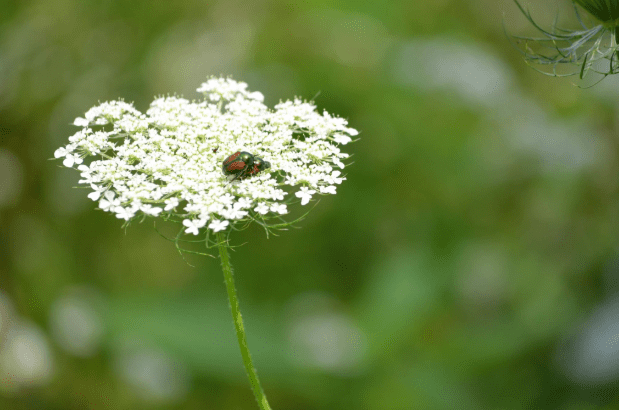
Beetles
Beetles are some of the earliest pollinators in evolutionary history and are sometimes called “mess and soil” pollinators because they chew through flowers while feeding. Despite their rough approach, they play a key role in pollinating plants like magnolias and spicebush.
You can support beetle pollinators by planting native flowers and shrubs, leaving behind decaying wood or plant debris for habitat, and resisting the urge to over-clean your yard. Limiting chemical use also helps protect beetles and the soil ecosystems they depend on.
Flies
While flies don’t always get a good reputation, many species, like hoverflies, are highly effective pollinators. Some even mimic bees, both in appearance and behavior. Flies are especially important in cooler conditions where bees are less active.
To support these pollinators, plant a variety of flowers, particularly those with small, clustered blooms; avoid pesticide use, and consider maintaining compost areas that can provide habitat for beneficial species.
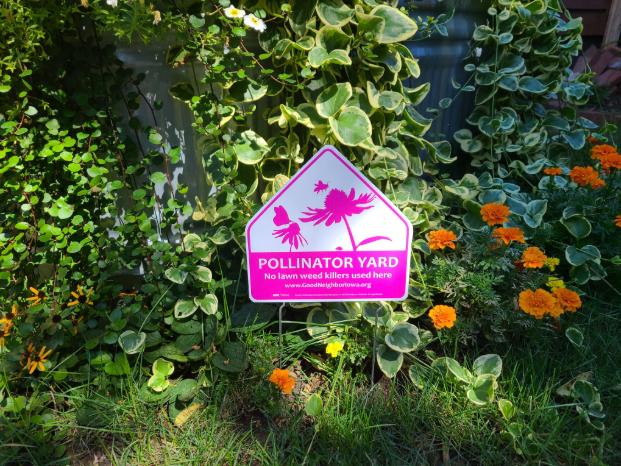
Pollinators are essential to healthy ecosystems, and they need our help, especially in urban environments. By reducing pesticide use and making space for native plants to grow, we can create vibrant habitats right in our own yards, neighborhoods, and communities. This National Pollinator Month, consider how you can make your outdoor spaces a little more welcoming. Even the smallest changes make a huge difference for the pollinators that keep our environment thriving.
By Jordan Holloway, June 9, 2026. Jordan has a Bachelor’s Degree from the University of Northern Iowa in Environmental Science with minors in Chemistry and Sustainability. Jordan assists Good Neighbor Iowa with community outreach and education.