
We’ve made it to May, and all around us the landscape is waking up, trees leafing out, and the first summer blooms beginning to show. As we notice what’s emerging, many of us are hoping to see native favorites take center stage in the weeks ahead. Choosing native plants matters because they evolved alongside local insects, birds, and wildlife, forming the foundation of a healthy ecosystem. Native plants provide essential food and shelter, improve soil and water quality with their deep root systems, reduce the need for fertilizers and pesticides, and help restore biodiversity at a time when insect populations are rapidly declining. By planting native plants, we’re not just enjoying spring blooms; we’re actively supporting the health and resilience of our local environment.
As the concept of going native takes root, gardeners naturally wonder: which species belong in my landscape? Plant choices depend on factors such as sunlight, soil composition, and the specific wildlife you wish to nurture. From vibrant prairie blooms and woodland gems to architectural grasses and shrubs, every addition contributes to the whole. Even a potted plant on a balcony can serve as a vital link in the ecological chain. To help you begin, we’ve highlighted a few inspirations below, but this is merely the starting point. Many local databases and regional guides now exist to help you tailor your selection to your site’s unique conditions, ensuring your gardening goals align perfectly with our local environment’s needs.
Annuals
Annuals are characterized by a swift and vibrant life cycle, progressing from seed to bloom and back again within the span of a single season. These fleeting treasures are ideal for garden beds and containers where an immediate burst of color is desired, offering seasonal flexibility and serving as vital placeholders that nurture the landscape while our slower-growing native perennials and foundational plants take root and mature.
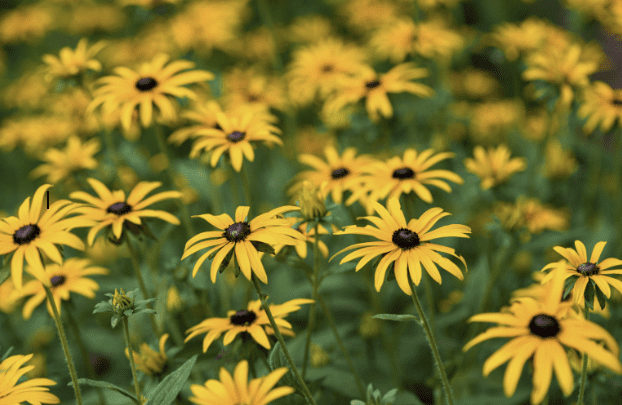
Black-eyed Susan (Rudbeckia hirta)
- Look:
- Bright yellow flowers with prominent dark brown centers that add vivid color to gardens and natural areas.
- Plants typically grow 12 – 36 inches tall with a loose, natural form that works well in prairie‑style plantings.
- Where they Grow:
- Native to prairie environments and best suited to full sun conditions.
- Adaptable to most soil types, preferring dry to average soils and performing poorly in consistently wet areas.
- Commonly used in garden beds, prairies, containers, and urban landscapes due to their salt tolerance.
- When they Grow:
- Typically planted in spring and establishes quickly, often flowering in its first growing season and readily self‑seeding in open ground.
- Bloom from June through September, with seasonal interest extending from late spring into fall.
- Wildlife:
- Provides nectar for butterflies and moths during the blooming season.
- Seeds serve as a food source for birds and small animals later in the year.
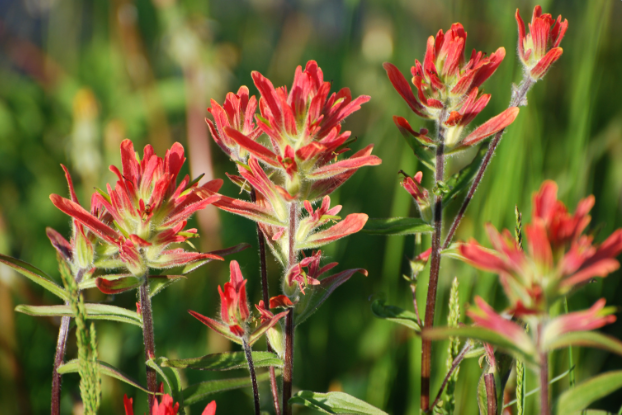
Paintbrush (Castilleja coccinea)
- Look:
- Striking red “paint‑dipped” bracts that stand out above the foliage, creating bold pops of color in late spring and summer.
- Plants typically grow up to about 2 feet tall with an upright, slender form that blends well into naturalized plantings.
- Where they Grow:
- Native to Iowa prairies, meadows, and open grasslands, thriving in partial sun conditions.
- Prefers mesic (moderately moist) soils and is often found growing among grasses and other prairie plants.
- As a hemiparasitic plant, it relies on nearby grasses or plants for some nutrients, making it best suited for natural or prairie‑style gardens.
- When they Grow:
- Typically planted in spring or fall, depending on whether grown as an annual or biennial.
- Blooms from May through August, providing early‑ to mid‑season color in native landscapes.
- Wildlife:
- An important nectar source for native bees, butterflies, and hummingbirds.
Perennials
Perennials are plants that live for more than two years, returning each growing season from the same root system. They typically spend their first year establishing roots and foliage, then grow and bloom more robustly in the following years. Because they don’t need to be replanted annually, perennials provide long‑term structure, reliability, and seasonal interest in gardens, often becoming more resilient and low‑maintenance over time.
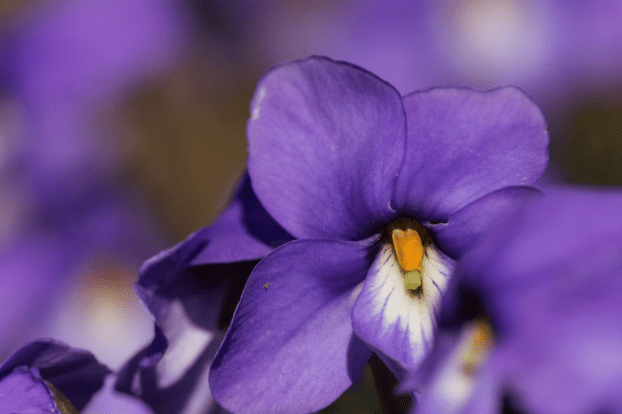
Bird’s-foot Violet (Viola pedata)
- Look:
- Delicate spring flowers in shades of lavender, purple, or occasionally white, with bright orange stamens that stand out against the petals.
- Compact, low‑growing plant with finely divided leaves that resemble a bird’s foot, forming a neat ground‑hugging clump.
- Where they Grow:
- Native to prairies, savannas, woodlands, and rocky glades.
- Prefers full sun and dry to moderately moist, well‑drained soils; poorly drained soils can lead to crown rot.
- Well-suited for rock gardens, slopes, and naturalized prairie plantings.
- When they Grow:
- Blooms primarily in May and June, with foliage providing interest later into the season.
- Foliage may die back during hot, dry summer conditions.
- Wildlife:
- Serves as an important host plant for fritillary butterflies, including prairie species such as the regal fritillary.
- Attracts pollinators and beneficial insects while being deer resistant.
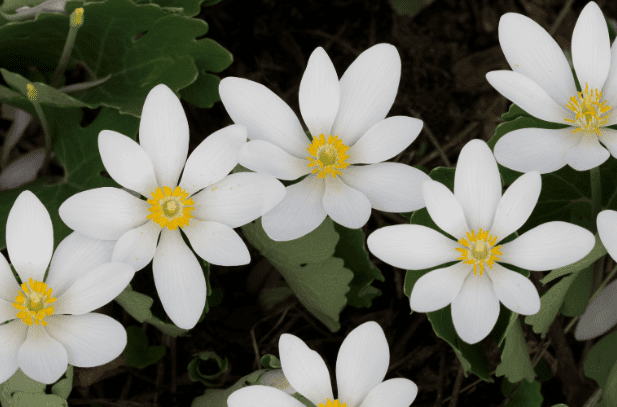
Bloodroot (Sanguinaria canadensis)
- Look:
- Small, early‑spring white flowers with bright yellow stamens that bloom before many woodland plants leaf out.
- Bluish‑green, lobed leaves that unfurl as flowers fade; broken stems and roots release a distinctive red sap.
- Where they Grow:
- Native to forested environments and woodland understories.
- Prefers shady locations with moderate to high soil moisture and well‑drained soils.
- Well-suited for shaded gardens, woodland restorations, and naturalized forest landscapes.
- When they Grow:
- Blooms very early in spring, often one of the first native wildflowers to appear.
- Goes dormant by summer, with foliage dying back after seed set.
- Wildlife:
- Seeds are dispersed by ants, contributing to woodland ecosystem interactions.
- Provides early‑season resources for insects active in spring before tree canopies fully leaf out.
As we settle into May and watch our landscapes come alive, it’s a great moment to reflect on the role our plant choices play in shaping the health of our environment. Whether you’re drawn to colorful annuals, long‑lived perennials, or early spring wildflowers, incorporating native plants helps create resilient landscapes that support pollinators, wildlife, and local ecosystems. And keep in mind, these are just four of the many amazing native plants Iowa has to offer. Every garden, no matter the size, can contribute to biodiversity and seasonal beauty. By learning what grows best where you live and choosing plants that belong there, you’re not just gardening, you’re helping Iowa’s natural heritage thrive for years to come.
By Jordan Holloway, May 19, 2026. Jordan has a Bachelor’s Degree from the University of Northern Iowa in Environmental Science with minors in Chemistry and Sustainability. Jordan assists Good Neighbor Iowa with community outreach and education.