
Introduced in the 1970s, Glyphosate is the most widely used chemical in weed management in the world. While primarily used in agriculture on herbicide-resistant crops, it is also found in household pesticide products. Over the last decade, there has been much scrutiny and research on glyphosate’s effects on human health and the environment.
What is Glyphosate?
Glyphosate is a broad-spectrum herbicide, which means it’s a non-selective weed killer designed to control a wide range of plant species. Glyphosate kills plants by disrupting pathways essential to plant growth. According to the National Pesticide Information Center (NPIC), it does not accumulate in soil or water, but due to its heavy application, it is widely detected in the environment. (NPIC, 2023)
How are people exposed?
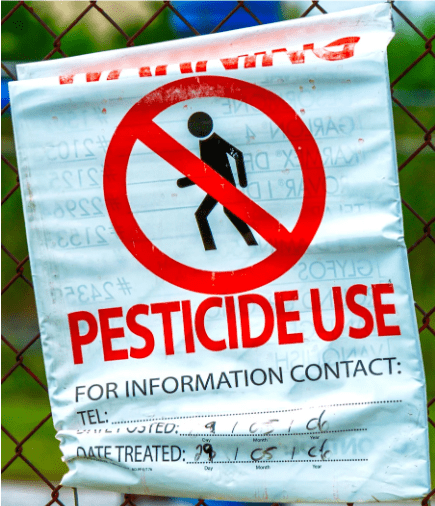
According to a recent study, an estimated 81% of Americans encounter glyphosate in their daily lives. Most human exposure occurs through food – mainly grain products – water, or urban application on sidewalks and driveways. (Centers for Disease Control and Prevention, 2024) Biomonitoring studies show that glyphosate and its primary metabolite (AMPA) are increasingly found in human urine samples worldwide. (Eskenazi et al., 2023)
What Does the Research Say About Health Effects?
Before exploring specific health effects, it’s helpful to understand how science builds knowledge about chemicals like glyphosate. No single study provides all the answers; instead, researchers look for patterns across many types of evidence. As new methods emerge and more data become available, scientists can spot trends or mechanisms that earlier research may have missed. This is why our understanding of glyphosate continues to evolve: modern tools allow researchers to study subtle biological changes, long‑term exposure, and real‑world conditions more accurately than ever before. Together, these findings help create a clearer picture of how repeated or early‑life exposure may influence human health.
Equally important is evaluating the credibility of research itself, including who conducted the study, how it was designed, and where its funding came from. Funding sources and conflicts of interest can influence how research questions are framed, how results are interpreted, and which findings are emphasized. For example, a widely cited review article on glyphosate published in the late 1990s that assessed glyphosate as safe was later scrutinized after internal industry documents suggested company involvement in shaping the paper’s conclusions, and was ultimately redacted. This highlights why scientists rely on independent replication, transparency, and multiple lines of evidence rather than any single publication. Careful attention to research quality and funding helps ensure that health guidance reflects the most reliable and unbiased science available.
Cancer Risk
Many studies suggest a link between glyphosate exposure and cancer.
- IARC classification: The International Agency for Research on Cancer (IARC) classified glyphosate as “probably carcinogenic to humans” (Group 2A), based on limited evidence in humans, sufficient evidence in experimental animals, and strong mechanistic evidence, including DNA damage and oxidative stress (IARC Monograph 112).
- An international research team published a paper in 2025 that found that glyphosate‑based herbicides may contribute to multiple cancer types by damaging DNA and disrupting cellular repair pathways (George Mason University, 2025).
- A 2022 toxicology review reported mechanistic evidence of oxidative stress, genotoxicity, and tumor‑promoting activity (Costas-Ferreira et al., 2022).
- An international research team published a global study in 2025 that found glyphosate‑based herbicides increased the incidence of multiple cancer types in animal models, even at doses previously considered safe, providing evidence of carcinogenic potential through biological mechanisms relevant to humans (Panzacchi et al., 2025).
A comprehensive meta‑analysis reported an increased risk of non‑Hodgkin lymphoma among individuals with high occupational exposure to glyphosate‑based herbicides, reinforcing epidemiological links between glyphosate exposure and cancer risk observed across multiple studies (Zhang et al., 2019).
Childhood Exposure and Long‑Term Disease Risk
Research from UC Berkeley (2025) found that early‑life exposure to glyphosate may increase the risk of metabolic disease in young adulthood, conditions such as obesity, liver dysfunction, and hormonal imbalance. The article suggests that glyphosate may influence developmental pathways even at relatively low levels.
Impacts on Brain Health
A 2024 study by Arizona State University found that long‑term glyphosate exposure may alter brain physiology, including inflammation and changes associated with neurodegenerative diseases. The research showed that glyphosate can cross the blood–brain barrier in animal models, raising concern about chronic exposure in humans.
What Can Communities Do?
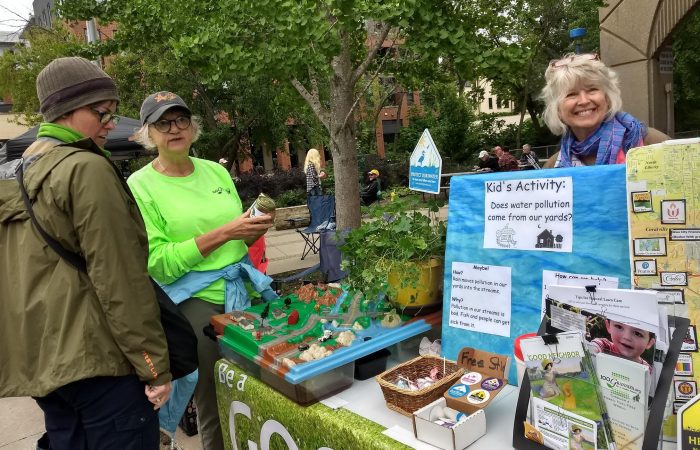
Communities can lower glyphosate exposure by encouraging simple, practical habits that reduce reliance on chemical weed killers. Families, neighborhoods, and local groups can explore non‑chemical methods, such as mulching, hand‑weeding, or using other organic methods, especially in areas where children and pets spend time. Community gardens and volunteer groups can model these approaches and share tips for managing weeds safely. People can also learn more about how glyphosate works and how exposure occurs, helping them make informed choices about lawn care, food purchasing, and everyday environmental practices. When many individuals take small steps like these, the overall level of exposure in a community can decrease, supporting healthier outdoor spaces for everyone.

Glyphosate has been promoted as a safe and indispensable tool for decades. But new, independent research across toxicology, epidemiology, and environmental health paints a more concerning picture, especially for long‑term exposure and children’s health.
This growing body of evidence supports a precautionary approach: limiting use where possible, investing in alternatives, and protecting vulnerable populations while more research continues.
By Jordan Holloway, March 16, 2026. Jordan is a student at the University of Northern Iowa, majoring in Environmental Science with minors in Chemistry and Sustainability. Jordan assists Good Neighbor Iowa with community outreach and education.