
Set Your Yard Goals
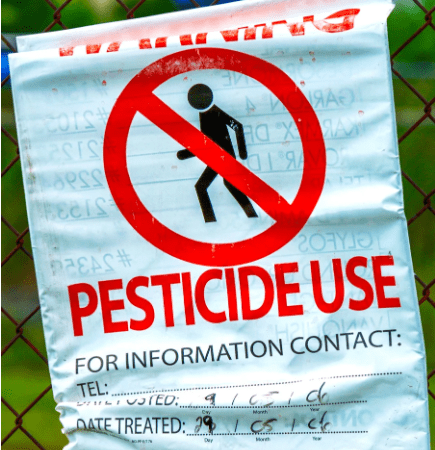
The new year is here, and many of us are making resolutions, whether it’s hitting the gym, reading more, or saving money. Here’s one goal that deserves a spot on your 2026 list: creating a pesticide-free lawn. Pesticides don’t just harm pests; they can impact people, pets, pollinators, and the planet. The good news? You can make a big difference by setting a few simple yard objectives for 2026. Here’s how:
- Build Healthy Soil
Healthy soil is the foundation of a thriving, pesticide-free yard. Start by adding compost and organic matter to improve soil structure and fertility. Skip synthetic fertilizers; they disrupt underground ecosystems and create chemical dependency. Instead, recycle yard waste like leaves and grass clippings back into the ground, and mulch garden beds to retain moisture and feed beneficial microbes. When your soil is healthy, your plants are naturally stronger and more resistant to pests.
- Practice Integrated Pest Management (IPM)
IPM focuses on prevention and minimal intervention. Regularly check your plants for pests and act early. Use physical barriers like row covers, hand-pick pests when possible, and save organic treatments like neem oil for last-resort situations only. By understanding pest life cycles and creating healthy growing conditions, you can avoid most infestations without chemicals.
- Reduce Turf Lawn
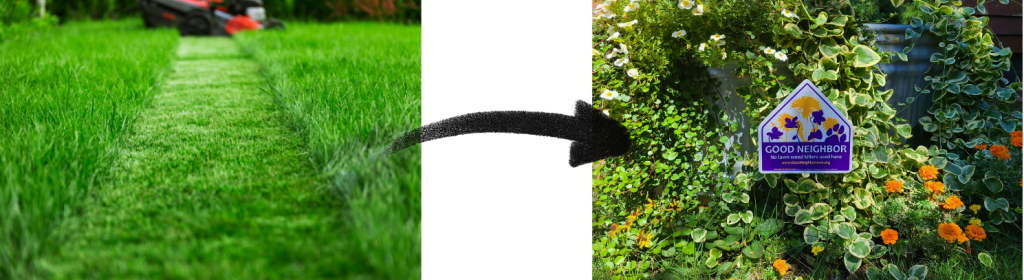
When maintaining traditional turf lawns, people often rely on pesticides and fertilizers to keep them green. Instead, reduce traditional lawn areas and use native ground covers to replace them, wildflower patches, or vegetable gardens. If you keep a turf lawn, mow high (3–4 inches) to help prevent weeds from growing, leave clippings in place, and overseed with clover to improve soil health. A smaller, more diverse yard is easier to maintain organically and better for the environment.
- Mulch and Water Wisely
Mulching garden beds with organic materials like leaves or wood chips helps retain moisture, suppress weeds, and improve soil health. Water plants at their base early in the morning to reduce evaporation and prevent fungal diseases. Avoid overwatering, which can attract pests and weaken plants. Healthy watering habits combined with mulch create a resilient, low-maintenance yard.
- Plant Native and Diverse Species
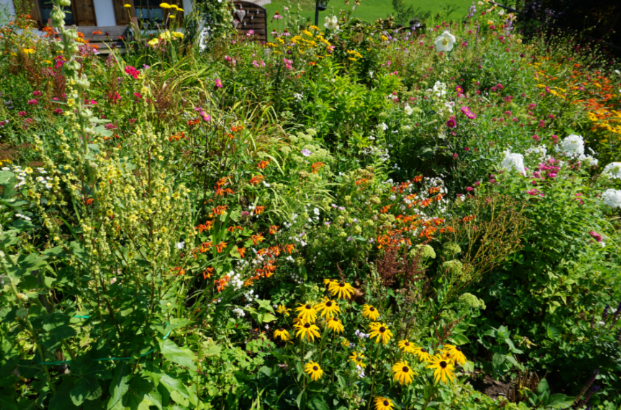
Choosing native plants that are adapted to your local climate and soil conditions has many benefits. They require less water and fertilizer, and they are more resistant to pests and diseases. Incorporating a variety of plants, flowers, shrubs, and trees creates biodiversity, which strengthens your yard’s ecosystem and reduces the likelihood of pest outbreaks. Native plants also attract pollinators and beneficial insects, making your yard healthier and more vibrant.
- Encourage Beneficial Wildlife
Invite nature’s pest control into your yard by creating habitats for birds, bats, and beneficial insects. Install birdhouses, bat boxes, and plant pollinator-friendly flowers like milkweed and coneflowers. These creatures help keep pest populations in check without chemicals.
- Educate and Share Through Good Neighbor Iowa
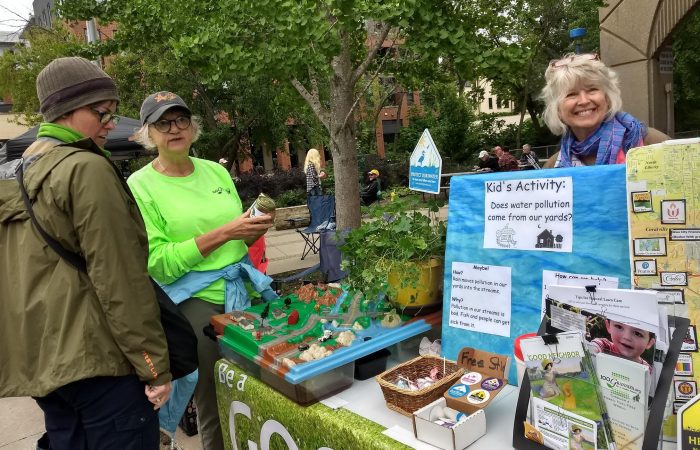
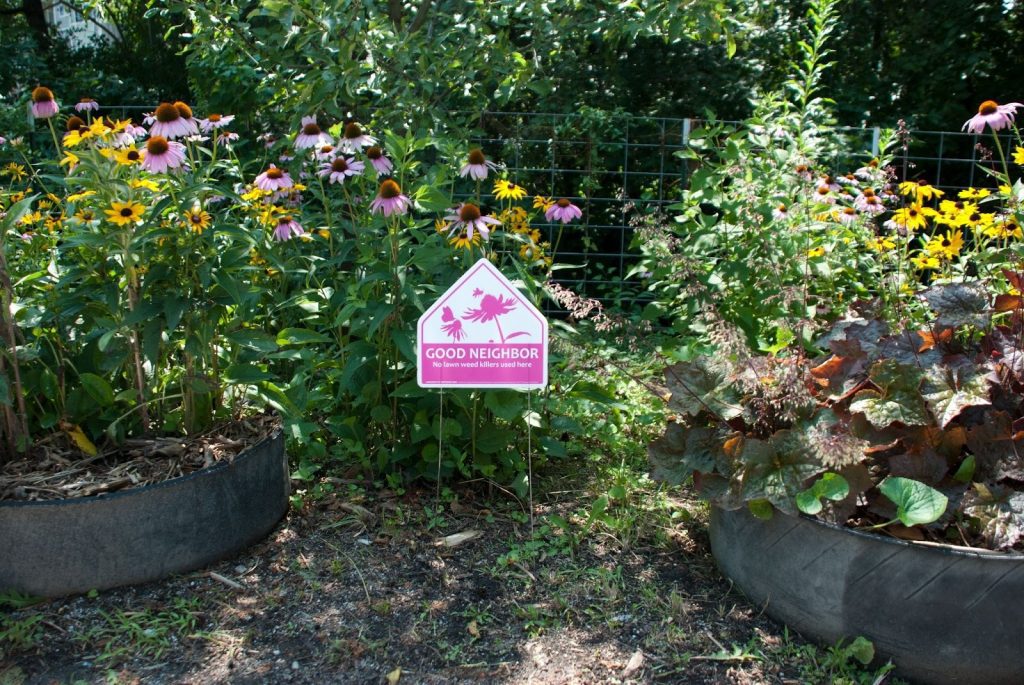
One of the best ways to spread awareness about pesticide-free practices is by joining Good Neighbor Iowa, a statewide education campaign promoting healthy, pesticide-free lawns and landscapes. Start by pledging your yard and displaying a Good Neighbor Iowa sign to show your commitment. This simple step sparks conversations and encourages neighbors to learn why reducing pesticide use matters for kids, pets, pollinators, and water quality. You can then become a Local Champion and share resources and invite others to participate in helping to build a community-wide movement for safer, healthier outdoor spaces.
Creating a pesticide-free yard isn’t just good for your family; it’s good for your community and the planet. By setting these goals, you’ll protect pollinators, improve soil health, and reduce harmful chemical exposure. Start small, share your progress, and inspire others to join the movement. Together, we can make Iowa a healthier, greener place to live in 2026.
By Jordan Holloway, January 12, 2026. Jordan is a student at the University of Northern Iowa, majoring in Environmental Science with minors in Chemistry and Sustainability. Jordan assists Good Neighbor Iowa with community outreach and education.